

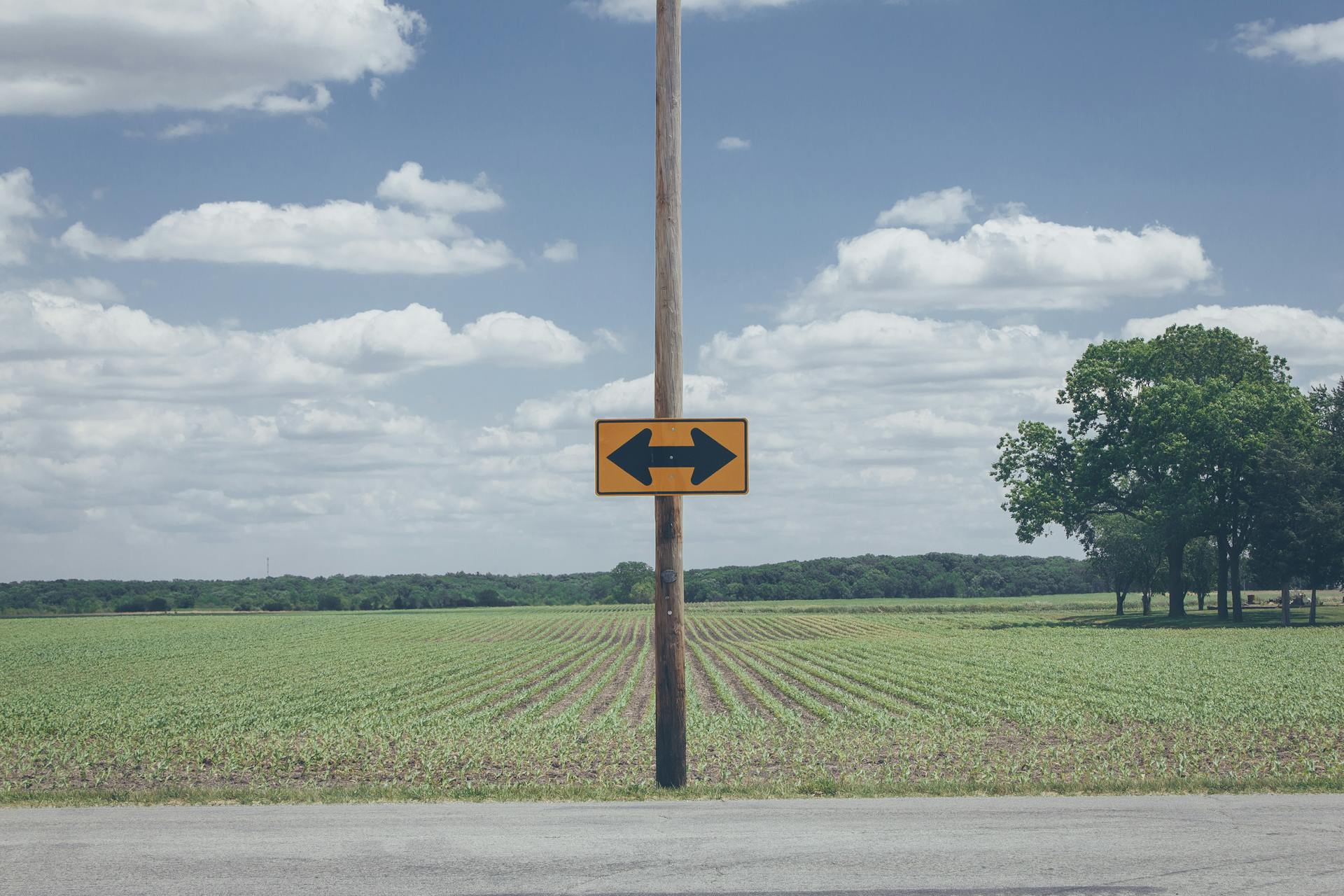
No one likes the feeling of being lost.
Scenic rural road sign on farmland with clear blue sky and clouds by Josh Sorenson
Why? Because when you feel lost, it often feels like you are no longer in control. And when people feel out of control, it becomes very easy to feel stressed, frustrated, anxious, uncertain, hopeless, or overwhelmed. You may start questioning yourself, your future, your purpose, or even your identity.
Feeling lost can feel uncomfortable because you do not know where to go next.
But maybe being lost is not always a sign that something is wrong.
Sometimes, being lost is simply a sign that you are in transition.
Think about it physically for a moment. If you were lost in a new place, what would you do?
Most people would probably:
- Ask someone for help
- Return to a familiar place
- Look for signs or landmarks they recognize
- Open Google Maps for direction
In other words, when we are physically lost, we usually look for something familiar or something that can guide us.
Life is often the same.
When you feel emotionally, mentally, or spiritually lost, it can help to go back and reflect on what you already know about yourself. Sometimes clarity does not come from rushing forward. Sometimes it comes from looking back.
Look back at your story.
Where have you come from?
Think about your life experiences, your family, your relationships, your education, your work, your community, and the moments that shaped you. Some memories may bring joy. Others may bring sadness, anger, disappointment, or grief. All of these emotions are part of being human.
As you reflect, you may begin to notice patterns:
- What experiences shaped you?
- What challenges helped you grow?
- What values matter deeply to you?
- What kind of environments make you feel alive?
- Who has supported you along the way?
You may also begin to recognize strengths and skills you did not realize you had developed.
Sometimes we are so focused on where we want to go that we forget how much we have already survived, learned, and overcome.
For me personally, one of the most helpful things during seasons of feeling stuck was telling my story.
I found that when I talked through my experiences with someone who simply listened, I slowly began to understand myself more clearly. My story helped me see where I had been, what I had learned, what strengths I had picked up along the way, and what kind of person I was becoming.
It also gave me hope.
Because when you begin to see your life as a story instead of just a collection of problems, you often start seeing possibilities again.
You begin to realize:
- “Maybe my experiences were shaping me.”
- “Maybe the things I went through taught me something valuable.”
- “Maybe there are still paths forward I have not considered yet.”
Sometimes feeling lost is not a dead end.
Sometimes it is an invitation to pause, reflect, heal, and grow.
It can be a moment to slow down long enough to notice:
- What has been hurting you
- What has been helping you
- What keeps you stuck
- What gives you life
- What you may need to let go of
- What kind of future you want to move toward
Clarity often grows through reflection.
And sometimes being lost is necessary because it helps bring greater understanding about who you are and where you want to go next.
Reflection Questions
Take some time to gently reflect on these questions:
- Where have you come from?
- (Family life, schooling, relationships, community, work, study, major life events)
- What skills or strengths have you developed through your experiences?
- What lessons have you learned along the way?
- What is happening in your life right now?
- What do you think may be keeping you stuck?
- What kind of person do you want to become?
- Where might you want to go from here, considering your experiences, strengths, and lessons learned?
You do not need to have everything figured out immediately.
Sometimes understanding yourself begins with simply slowing down long enough to listen to your own story.
If you enjoyed this reflection, I think you might enjoy my FREE self-reflection guide designed to help you better understand your past, present, and future self.