

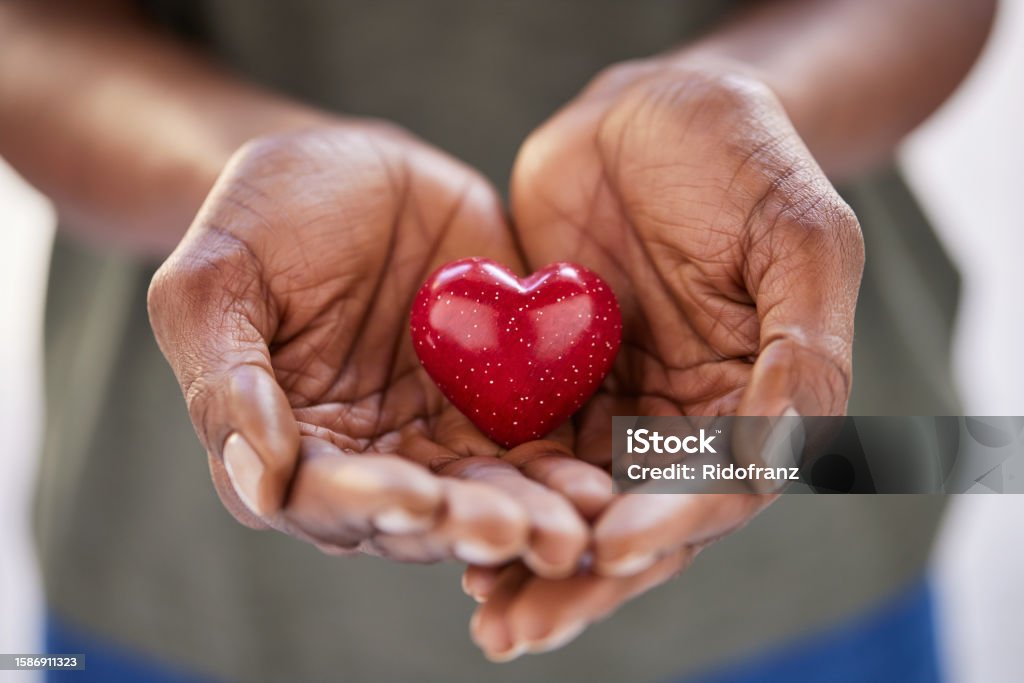
When people hear the word “heart,” they often think about love, physical heart and emotions.
But your heart is deeper than feelings alone.
Your inner heart is the place where you experience:
- love and acceptance
- safety and belonging
- dignity and value
- purpose and meaning
- healthy relationships
- emotional resilience
- hope and perseverance
- boundaries that protect your wellbeing
- thoughts that shape how you see yourself and the world
Your heart is connected to your identity — who you are beneath performance, expectations, achievements, and appearances.
Understanding your heart is not about becoming someone new.
It is about learning to notice what is already happening inside you.
Sometimes we move through life disconnected from ourselves. We stay busy, distracted, productive, or emotionally numb. We learn how to survive, but not always how to understand what is happening deep within us.
Learning to understand your heart helps you:
- recognize what truly matters to you
- identify healthy and unhealthy influences
- notice what gives life to you
- build healthier relationships
- strengthen emotional resilience
- live more aligned with your values
- understand where you feel you belong
What Makes a Healthy Inner Heart?
A healthy heart does not mean a perfect life.
It does not mean you are always happy, confident, or emotionally strong.
A healthy inner heart is one that is:
- aware instead of disconnected
- honest instead of avoidant
- supported instead of isolated
- grounded instead of constantly overwhelmed
- growing instead of pretending
Psychologically, humans need several core experiences to thrive emotionally and relationally:
- safety
- connection
- belonging
- purpose
- emotional regulation
- supportive relationships
- healthy boundaries
- hope
When these areas are nurtured consistently, people often feel more emotionally secure, resilient, and connected to themselves.
When these needs are repeatedly ignored, dismissed, or harmed, people may begin to feel:
- emotionally numb
- anxious or restless
- disconnected
- overly dependent on approval
- hopeless
- constantly exhausted
- unsure of who they are
Your heart is shaped over time by experiences, environments, relationships, culture, family, faith, successes, disappointments, and the stories you tell yourself.
That means understanding your heart requires reflection, not judgment.
Your Heart Is Shaped by Relationships
One of the biggest influences on the human heart is relationships.
Healthy relationships often help people feel:
- safe to be honest
- emotionally supported
- valued without needing to perform
- accepted even when imperfect
- encouraged to grow
Unhealthy relationships may create fear, shame, confusion, insecurity, or emotional exhaustion.
This is why understanding your heart also means understanding:
- who influences you
- who drains you
- who strengthens you
- who helps you feel emotionally safe
The people around you shape the way you view yourself more than you may realize.
Your Heart Needs Boundaries Too
A healthy heart is not only open and loving.
It also has healthy boundaries.
Boundaries help protect:
- your emotional wellbeing
- your energy
- your values
- your time
- your dignity
Without boundaries, people may constantly overextend themselves, ignore their own needs, or lose sight of who they are.
Healthy boundaries are not about pushing people away.
They are about creating relationships where care, respect, honesty, and responsibility can grow safely.
Understanding What Gives You Life
Part of understanding your heart is learning what makes you feel alive.
Some people feel alive when:
- creating
- helping others
- learning
- being outdoors
- connecting deeply with people
- serving their community
- expressing themselves
- growing spiritually
- mentoring others
These moments often reveal clues about:
- your values
- your identity
- your passions
- your sense of purpose
Your heart usually responds strongly to the things that matter deeply to you.
A Healthy Heart Also Learns Perseverance
Life includes disappointment, grief, uncertainty, rejection, and change.
A healthy heart is not one that never struggles.
It is one that slowly learns resilience.
Grit and perseverance grow when people:
- process challenges honestly
- receive support
- develop hope
- learn self-awareness
- stay connected to meaningful purpose
- continue moving forward even when growth feels slow
Strength is not pretending everything is okay.
Sometimes strength looks like:
- asking for help
- resting
- trying again
- grieving honestly
- staying soft instead of becoming bitter
- continuing to hope
Reflective Questions to Understand Your Heart
You do not need to answer all of these at once.
Take your time. Sit with the questions slowly and honestly.
Love and Acceptance
- What makes you feel loved and accepted?
- Who makes you feel loved and accepted?
- When do you feel most emotionally secure?
- Do you feel valued for who you are, or mainly for what you do?
Feeling Seen and Heard
- What makes you feel seen and heard?
- Who makes you feel seen and heard?
- Are there places where you feel invisible or misunderstood?
- What helps you express yourself honestly?
Safety and Belonging
- What makes you feel safe?
- Who makes you feel safe?
- Where do you feel like you belong?
- What environments make you feel emotionally calm or grounded?
Energy and Purpose
- What makes you feel alive or gives you energy?
- Who makes you feel alive or energized?
- What activities leave you feeling meaningful or fulfilled?
- What currently gives your life purpose?
Identity and Influence
- What are the things that shaped you?
- Who are the people who have shaped you?
- What messages about yourself did you grow up believing?
- Which influences helped you grow in healthy ways?
Values and Direction
- What is important in life for you right now?
- Who are the most important people to you right now?
- How do you want people to remember you?
- What values do you want your life to reflect?
- How can you live more aligned with your values?
Hope and Support
- What gives you hope?
- Who gives you hope?
- Who are the people supporting you right now?
- What helps you keep going during difficult seasons?
Final Reflection
Understanding your heart is a lifelong process.
You are not meant to have everything figured out immediately.
The goal is not perfection.
The goal is awareness.
The more honestly you understand your inner world, the more intentionally you can:
- build healthy relationships
- protect your wellbeing
- grow in resilience
- live according to your values
- develop deeper self-understanding
- create a life that feels aligned and meaningful
Sometimes the most important growth begins with simply slowing down long enough to ask yourself:
“What is happening inside my heart right now?”
If you enjoyed this and want more guided self-reflection, here’s my FREE self-guided reflection